Home › Stormwater Swale and Rain Garden Hydroseeding
We provide swale hydroseeding in Jacksonville, FL to stabilize drainage ditches, rain gardens, and bioswales on residential lots. Our seed mixes handle periodic wet conditions while protecting soil from erosion. Improve drainage function and appearance with properly vegetated stormwater features.
Legendary Hydroseeding Jacksonville provides professional swale hydroseeding throughout Jacksonville, FL, Florida and the surrounding area. Our licensed, insured crew delivers safe, clean, on-time work with a free estimate before anything begins. Call 904-867-3706 or request your free quote.
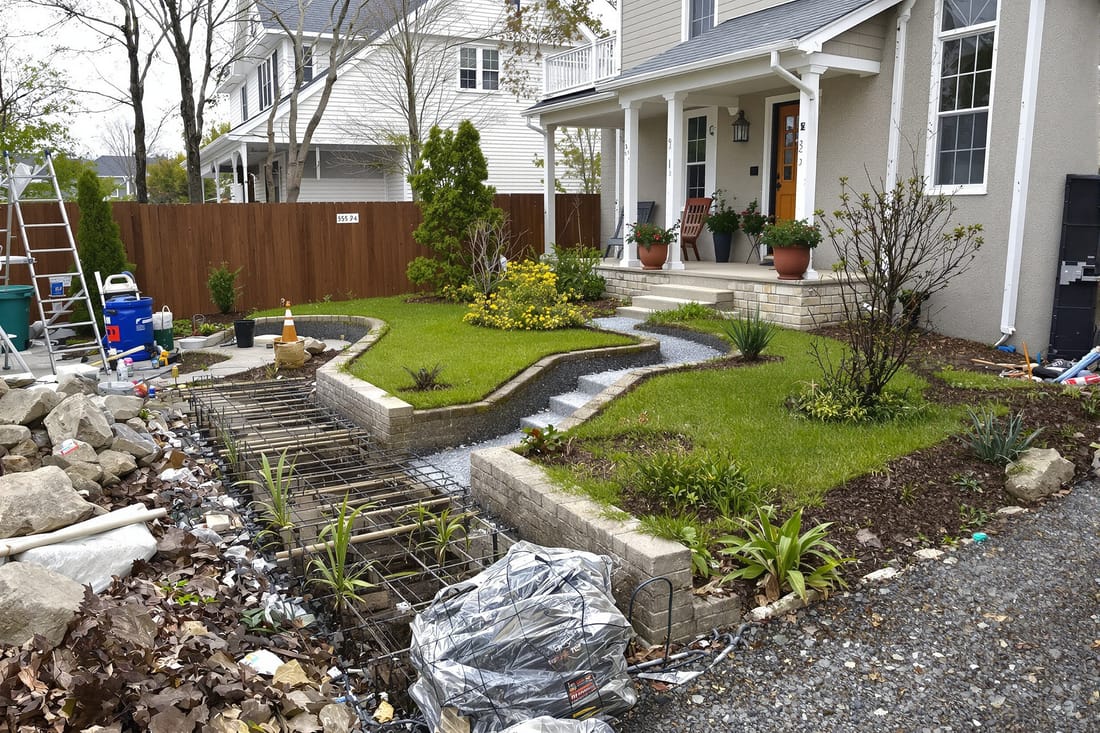
Stormwater Swale & Rain Garden Hydroseeding in Jacksonville
Swales and rain gardens in Jacksonville are not decorative extras. They are how your property handles the heavy summer downpours and tropical systems that push water toward driveways, foundations, and parking lots. Legendary Hydroseeding Jacksonville focuses on swale hydroseeding and rain garden hydroseeding that actually move and soak water as designed, not just look green for a few months.
Our crews work across Duval, Clay, and St. Johns Counties on residential yards, HOA common areas, and commercial stormwater systems. We understand local soil conditions along the St. Johns River, the low-lying neighborhoods that hold water for days, and the sandy fill on newer subdivisions that erodes quickly. We build hydroseeded systems that survive ponding, flowing water, and the salt-tinged winds along the Intracoastal.
This page explains how hydroseeding for swales and rain gardens really works in Northeast Florida, how we select seed mixes that match both drainage and code, what affects pricing, and what you should have in hand before you hire anyone to touch your stormwater features.
How Swale Hydroseeding Actually Works On Your Site
Effective swale hydroseeding starts with grading, not with the hose. When we arrive on site, we walk the full swale or rain garden, shoot elevations with a laser level if needed, and flag low and high spots. In Jacksonville it is common to find builder-installed swales with flat sections or reverse slopes, which hold water and cause turf failure. We correct these spots before any hydroseeding so the finished system drains the way your plan set intended.
Once the grade is correct, we address compaction. Many Jacksonville lots have construction-compacted sand and clay mix. Water tends to skim across the top instead of infiltrating, and seed has trouble rooting. We loosen the top layer with rakes, harrows, or a skid steer attachment, then remove construction debris, concrete chunks, and buried plastic that can create erosion channels.
We then apply a hydroseed slurry tailored for swales. The tank mix typically includes water, a region-appropriate grass seed blend, cellulose or wood fiber mulch, a tackifier that helps the mulch lock to the soil, and a starter fertilizer rated for stormwater use. For higher risk slopes or high-velocity sections, we can upgrade to a bonded fiber matrix that creates a tougher erosion-resistant cover. In tight sections next to driveways or sidewalks, we hand apply around hard edges so we do not spray onto concrete or neighboring properties.
After application, we check all drainage paths again. Hydroseeding can slightly change micro elevations, especially with heavier mulch products, so we confirm that water still travels along the flow line instead of creating side pockets. Before leaving, we provide a specific watering and mowing schedule to match the season and your irrigation system, and we flag any spots where you should avoid foot traffic for the first month.
Seed Mixes, Plants, and Mulch Options For Jacksonville Conditions
There is no one seed blend that works for every swale in Jacksonville. Legendary Hydroseeding Jacksonville selects materials based on shade, expected water volume, and whether the area is inspected as part of a permitted stormwater system.
For most sunny roadside and backyard swales, we rely on a combination of Bahia or Bermuda as the backbone. Bahia tolerates poor, sandy soils and periodic flooding, which is common in older Jacksonville neighborhoods. Bermuda offers faster coverage and good wear resistance near driveways and walkways. In partially shaded swales beneath live oaks or pines, we introduce shade-tolerant fescue or specialty blends to avoid the bare, muddy strips that show up under tree canopies.
Rain gardens work differently. Instead of a solid turf cover, the design normally calls for taller, deep rooted natives placed in zones according to how long water stands after storms. We coordinate with your landscape designer, engineer, or local code requirements to hydroseed native grass and wildflower under-stories around the planted shrubs and perennials. This combination slows water, improves infiltration, and reduces the washouts you see when bare mulch is used alone.
Mulch choice matters in our climate. Basic paper mulch is often too weak for higher flow channels in Jacksonville. We typically recommend wood fiber mulch or blended mulches that stand up to the intense thunderstorms of late summer. In very steep or problem areas, we combine hydroseeding with erosion control blankets, stapled into place, then spray over them for root reinforcement through the mat.
Local Rules, HOAs, and Stormwater Compliance
In the Jacksonville area, many swales and rain gardens are tied to a permitted stormwater plan. That means you cannot simply fill them in, reroute, or sod everything flat without risking code issues or affecting your neighbors. Legendary Hydroseeding Jacksonville is familiar with the way local builders, HOAs, and engineers design these systems, and we work within that framework.
For newer subdivisions, swales are often part of the approved drainage plan finalized with the City of Jacksonville or nearby municipalities like Orange Park and Atlantic Beach. When we restore or improve a swale, we follow the original design intent: same flow line, similar side slopes, and equal or better erosion resistance. If you have your survey, drainage plan, or original builder paperwork, we review it before recommending changes.
HOAs in Northeast Florida often have strict rules on turf appearance, allowed plant species, and mowing heights along road-facing swales. We are used to creating seed blends that satisfy both functional drainage and HOA aesthetic rules, for example turf type Bermudas for a manicured look, or limiting taller wildflower zones to mid-lot rain gardens that are not visible from the street. If your HOA requires prior approval, we can provide a straightforward description of the hydroseeding work and materials so you can submit it with your request.
For commercial properties and multi-family complexes, stormwater ponds and associated swales are sometimes subject to periodic inspections. Bare eroding spots, sediment build up, or non-vegetated side slopes can trigger violations or corrective letters. Our crews can target these defective sections with swale hydroseeding, slope stabilization, and reseeding around inlets and headwalls to bring the system back into compliance without a full regrade.
What Affects Cost and How We Handle Common Problems
Swale and rain garden hydroseeding is not priced the same as flat, open lawn seeding. The cost depends on a mix of factors that we go over openly before work starts so you are not surprised by change orders.
Key cost drivers include access (can we reach the swale with our truck or do we need long hose runs through side yards), length and depth of the swale, soil correction and grading needs, type of mulch and tackifier, and whether we are blending in native plants or specialty mixes for a rain garden. High risk spots that see concentrated flow from roof downspouts, driveway runoff, or culvert outlets may require stronger erosion control blankets or bonded fiber matrix that raises the material cost but prevents repeat washouts.
Common issues in Jacksonville include swales that hold water for more than 72 hours, areas shaded by mature oaks, and sections where vehicles or mowers have repeatedly driven through the low point and created ruts. For ponding problems, we first check grading, then subsurface soil conditions, and sometimes recommend small adjustments to spread water more evenly across the swale floor. In heavy shade, we may suggest trimming or selective pruning, plus shade-tolerant seed, instead of repeatedly trying the same sunny-lawn blend that will fail again.
If a storm hits soon after hydroseeding, there is always a chance of some mulch and seed movement in the heaviest flow paths. We build this reality into our process. On projects with a realistic maintenance budget, we plan a follow up visit to spot check for washouts and thin coverage. Small touch ups at the right time are usually far cheaper than waiting until the area is bare again and starting over.
What To Expect When You Hire Legendary Hydroseeding Jacksonville
Our goal is to leave you with a swale or rain garden that quietly does its job every storm. When you contact Legendary Hydroseeding Jacksonville, we start with questions about your drainage issues, photos or videos from heavy rain if you have them, and any documents you have from your builder, HOA, or engineer.
We then schedule a site visit. On site, we mark utilities in the work area, measure slopes and linear feet, and discuss your mowing and maintenance habits. Very low maintenance owners or rental properties may be better served by tougher, slower growing grass blends and more native plantings in rain gardens. Owners who like a manicured look may accept a bit more maintenance for a finer textured turf.
Before work begins, you receive a written scope that covers grading corrections, material types, seed blends, and any erosion control extras, along with clear instructions on what you must do after we leave, mainly watering and staying off the area. During the first 30 to 60 days, we are available to answer questions about germination, mowing height, and any thin spots you notice.
If you want a stormwater swale or rain garden that lasts more than one rainy season, the right hydroseeding approach helps. We focus on drainage function first, plant choice second, and appearance third, so your property can handle Jacksonville weather without constant erosion repair.