Home › Landfill and Mine Reclamation Hydroseeding
We provide landfill reclamation hydroseeding in Jacksonville, FL to vegetate caps, side slopes, and adjacent disturbed areas. Our mixes are designed for long term stabilization, low maintenance, and regulatory compliance. Restore closed landfills and extraction sites with effective hydroseeding and erosion control systems.
Legendary Hydroseeding Jacksonville provides professional landfill reclamation hydroseeding throughout Jacksonville, FL, Florida and the surrounding area. Our licensed, insured crew delivers safe, clean, on-time work with a free estimate before anything begins. Call 904-867-3706 or request your free quote.
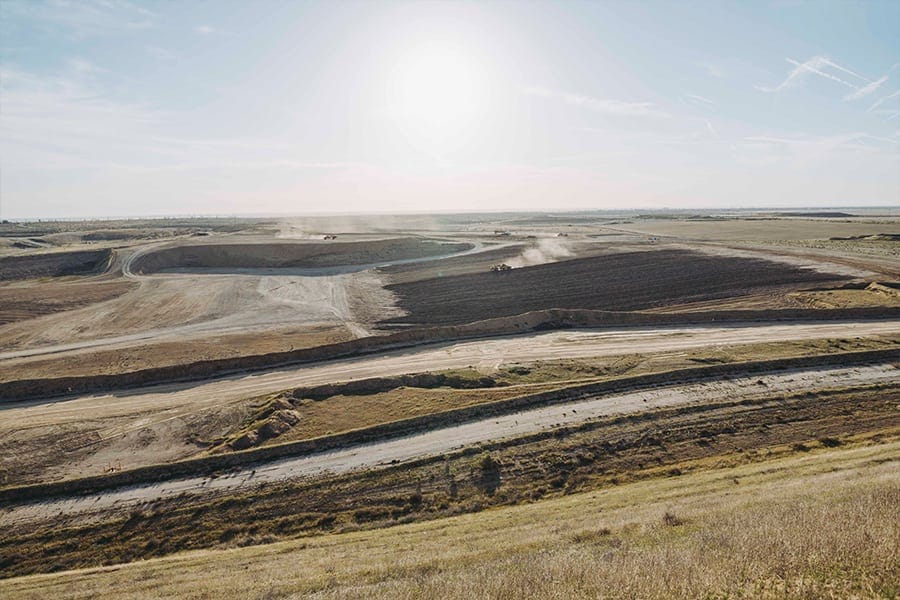
Landfill reclamation hydroseeding for challenging Jacksonville sites
Closed landfills and mined sites around Jacksonville do not behave like normal landscapes. Slopes are steeper, soils are compacted or imported, and stormwater rules are strict. Legendary Hydroseeding Jacksonville focuses specifically on landfill reclamation hydroseeding and mine reclamation, so we design each project around the realities of capped cells, leachate systems, and Florida’s intense rain events.
Our goal is to create a stable, vegetated cover that protects the cap, controls erosion, and satisfies local and state regulators. That means choosing the right seed mix for Northeast Florida, building a mulch and tackifier system that will not wash away in summer downpours, and applying it with enough precision that slopes, benches, and drainage swales all get the coverage they need.
Whether you manage an active landfill that is closing a cell, a capped Superfund or brownfield site, or an old borrow pit or mine that needs stabilization, we approach it as an engineered vegetative system, not just “spraying grass.”
How landfill and mine reclamation hydroseeding actually works
On a typical landfill reclamation hydroseeding project in Jacksonville, we start by reviewing your closure or reclamation plans, including grading, cap details, stormwater layout, and regulatory requirements. We walk the site to look for soft spots, settlement, exposed liner edges, and poorly drained areas that could threaten the vegetative cover.
Once we confirm final grades and soil preparation specifications, we prepare the surface. For landfill caps this usually means light scarification of the cover soil, removal of rocks and debris, and ensuring minimum cover depth over the liner or geomembrane. On mined sites we often rip or disc compacted areas and import or blend topsoil if the existing material is too sandy or nutrient poor.
We then prepare a hydraulic slurry in our tank that combines water, selected seed mix, fertilizer or soil amendments, mulch (typically wood fiber or a bonded fiber matrix), and a tackifier that helps everything lock into place. Our crew sprays this slurry using high pressure hoses and nozzles, adjusting the rate for slopes, benches, and flat areas.
Critical slopes, inlet and outlet areas, and channels are usually sprayed twice, with a heavier mulch rate to resist Jacksonville’s heavy summer thunderstorms. After application we verify coverage, thickness, and tack, and make any necessary touch ups before demobilizing.
Materials and design options for difficult landfill and mine conditions
Landfill reclamation hydroseeding in Jacksonville is rarely a one size fits all application. Legendary Hydroseeding Jacksonville selects materials to match site-specific conditions like slope steepness, exposure to wind, soil chemistry, and the type of waste or backfill below the cap.
Seed mixes often combine fast-germinating annuals for quick green cover with deeper rooted perennials for long-term stability. In Northeast Florida we commonly use blends of bahiagrass, bermudagrass (where allowed), and appropriate native or naturalized species. For areas that need habitat value or visual screening, we can integrate native wildflowers, native legumes, and shrub or tree seedlings in coordinated phases.
Mulch options range from standard wood fiber mulch for gentle slopes to high-performance bonded fiber matrix (BFM) and flexible growth media for steep landfill side slopes and mine highwalls. On especially erosive surfaces we may pair hydroseeding with erosion control blankets or turf reinforcement mats, spraying seed and hydraulic mulch over or under the blanket depending on the specification.
For poor or contaminated soils, we can incorporate soil testing, lime or sulfur applications, organic matter amendments, and slow-release fertilizers that comply with environmental permits. The design intent is always the same: build a root zone and cover system that will last, not just produce a temporary green tint for an inspection.
How Jacksonville’s climate and seasons affect project timing
North Florida’s humid subtropical climate shapes how and when landfill reclamation hydroseeding should be done. The long growing season is a benefit, but high intensity rain and hurricane threats can quickly damage newly applied mulch if the project is not timed correctly.
In Jacksonville, we typically target spring and early fall for large reclamation projects, when soil temperatures are favorable for warm-season grasses and the risk of multi-inch downpours in a single afternoon is somewhat lower than peak summer. However, closure schedules do not always wait for ideal windows, so Legendary Hydroseeding Jacksonville adjusts mulch type and application rate when hydroseeding must occur during the heart of rainy season.
On steep slopes scheduled for summer completion, we may increase mulch loading, use BFM products specified for 2 inches per hour or greater rainfall, and stage applications so that the most vulnerable slopes are completed closest to an upcoming dry window. For winter work we lean on cool-season nurse species for quick establishment and plan a follow-up warm-season overseed if your regulatory plan requires it.
We also factor in Jacksonville’s coastal winds. On exposed caps and mine benches we schedule applications during calmer parts of the day and use wetter slurries and higher tackifier rates to reduce drift and ensure the material bonds to the soil surface.
Common landfill and mine reclamation challenges and how we handle them
Landfill reclamation hydroseeding must account for unique challenges that are not present on typical commercial lawns. Settlement over waste cells can cause ponding, cracking, and sloughing of slopes. In mines and borrow pits we often see highly variable material, from hardpan to sugar sand, in a single slope face.
Legendary Hydroseeding Jacksonville addresses these issues before and during application. Where settlement has created depressions on caps, we coordinate with your earthwork contractor to regrade low spots and reestablish positive drainage before hydroseeding. For areas that cannot be fully regraded due to liner constraints, we thicken mulch applications and sometimes install supplemental erosion control blankets to bridge minor irregularities.
On mixed-material mine slopes we may stage treatment: first stabilize the most erosive sections with high-end mulch and tackifier, then treat more stable areas with standard mulch blends. If a slope continues to ravel, we may recommend using turf reinforcement mats or cellular confinement in combination with hydroseeding.
Another common issue is nutrient lockup in fill soils imported to cap older landfills. We test suspect areas and adjust fertilizer formulations and organic matter inputs so that plants can access nutrients without exceeding leaching limits in your permit. Our crew documents these field adjustments so you have clear records for inspectors and engineers.
What affects the cost of landfill reclamation hydroseeding
Reclamation budgets are often tight, so understanding what drives cost on landfill reclamation hydroseeding projects can help with planning and design. The main cost factors are site access, slope length and steepness, material selection, and project phasing.
Access drives equipment time and crew size. If hydroseeding rigs can reach benches and upper slopes using existing access roads, production is faster and costs are lower. If we must run long hose lines up or down slopes, shuttle water with support trucks, or coordinate closely with active landfill operations, labor and time increase.
Slope conditions directly influence mulch type and rate. Gentle capped cells may perform well with standard wood fiber mulch at a moderate rate, while tall, steep side slopes next to sensitive waterways usually require BFMs at high rates and additional tackifier. Those products are more expensive per acre, but they are often cheaper than repairing repeated washouts.
Project phasing also matters. When multiple cells, stockpiles, or mine faces are ready in a single mobilization, unit costs drop because travel and setup are spread across more acres. Small, scattered areas done under separate change orders cost more per acre. If your closure plan is still flexible, Legendary Hydroseeding Jacksonville can provide input on how to group areas to keep per-acre costs reasonable without compromising performance.
We provide clear, line-item estimates that show how acreage, slope class, mulch type, and optional erosion control products affect your total so you can align the design with your budget and permitting obligations.
What Jacksonville facility managers should know before hiring a hydroseeding contractor
Landfill reclamation hydroseeding work touches regulatory compliance, stormwater performance, and long-term maintenance, so the choice of contractor matters. Before you hire, confirm that your hydroseeding partner has specific experience with landfill caps, stormwater basins, and mined land in Florida, not just roadside or residential seeding.
Ask to see sample seed mixes and mulch specifications from recent landfill or mine projects, along with before-and-after photos that show performance through at least one rainy season. Legendary Hydroseeding Jacksonville can provide that documentation, along with references from local solid waste authorities, environmental engineers, and site contractors.
Verify that the contractor’s insurance and safety programs are appropriate for industrial and municipal sites with heavy equipment, active tipping floors, and environmental monitoring systems. We routinely coordinate with landfill operations teams, surveyors, and closure contractors, and we comply with site-specific PPE, safety briefings, and access controls.
Finally, clarify expectations for establishment and touch-ups. For large closures, we recommend a defined observation period where we return to address minor bare spots or washouts after initial germination, especially following major Jacksonville storm events. Setting these expectations up front gives regulators, engineers, and owners confidence that the vegetative cover will remain compliant over the long term.