Home › Native and Wetland Restoration Hydroseeding
We provide native restoration hydroseeding in Jacksonville, FL for wetlands, riparian corridors, and habitat buffer zones. Our custom mixes use native grasses, sedges, and forbs suited to moisture and soil conditions. Support ecological goals and regulatory requirements with targeted restoration hydroseeding.
Legendary Hydroseeding Jacksonville provides professional native restoration hydroseeding throughout Jacksonville, FL, Florida and the surrounding area. Our licensed, insured crew delivers safe, clean, on-time work with a free estimate before anything begins. Call 904-867-3706 or request your free quote.
Native Restoration Hydroseeding That Fits Jacksonville’s Real Conditions
Coastal North Florida has its own mix of salt air, sandy soils, sudden downpours, and long dry spells, so native restoration hydroseeding here is a different job than it is in the Panhandle or South Florida. At Legendary Hydroseeding Jacksonville, we design each native and wetland hydroseed mix around the specific site, not a one size fits all bag of seed.
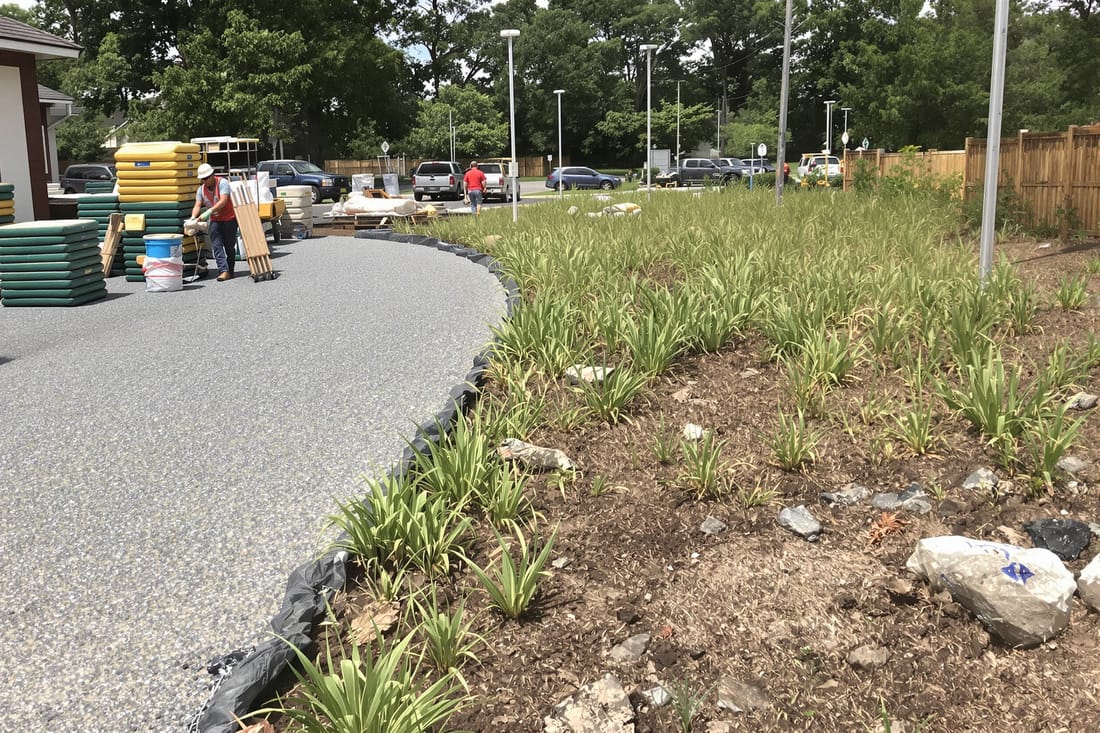
For disturbed upland and buffer areas, we typically design blends that can handle our local sands and occasional salt spray, using species like wiregrass, muhly grass, Fakahatchee grass, and native wildflowers that support pollinators. In wetter pockets and drainage swales we shift to species that tolerate periodic flooding, such as soft rush, pickerelweed, and maidencane. In true wetlands and littoral shelves we choose plants that can sit in water for much of the year and stabilize mucky soils, which is critical along retention ponds and the Intracoastal.
Native restoration hydroseeding uses a pressurized spray application of seed, mulch, water, and soil amendments. The mix is tailored to get native species established without creating a mat that suffocates tiny seedlings. We look closely at your site’s sun exposure, soil pH, existing vegetation, and whether there is brackish influence from nearby waterways. The goal is not just quick green cover, but the right native cover that can outcompete invasives and meet local environmental and permitting requirements.
How Our Native & Wetland Hydroseeding Process Works
Before we ever pull a hose, Legendary Hydroseeding Jacksonville starts with a site walk and a set of questions. Are you restoring a construction buffer around a new subdivision, stabilizing a retention pond bank for a commercial property, or trying to reestablish natives after clearing Brazilian pepper and other invasives along a creek or marsh edge? Each answer changes the seed mix and the way we prepare the ground.
Step 1 is assessment and planning. We check existing soil structure, look for compacted areas from heavy equipment, identify invasive species that need to be controlled, and note any outfalls or inlets that change water levels. If the project is tied to a permit or mitigation requirement, we review your plans and coordinate with your engineer or environmental consultant so our hydroseeding method matches the drawings and planting schedules.
Step 2 is site preparation. For upland and buffer zones, this usually means mowing down weedy growth, removing woody invasives, and lightly scarifying or raking the surface so the hydroseed slurry can key into the soil. In wetlands and pond edges we take more care to avoid rutting or churning soft soils, sometimes working from the top of bank with longer hoses. Where necessary, we apply an appropriate herbicide to knock back invasives, then allow a short waiting period before seeding.
Step 3 is custom hydroseed mixing. In our tank we combine carefully measured native seed blends, a fiber mulch that is light enough for seedling emergence, tackifiers for slope hold, and soil amendments such as lime or slow release fertilizers if tests show they are needed. For wetland work we may reduce or change fertilizers to avoid nutrient runoff, sometimes relying on organic amendments instead. Every batch is mixed for that specific project, never pulled from a generic stock mix.
Step 4 is application and quality checks. We apply the slurry in a consistent, overlapping pattern so coverage is uniform. On steeper pond banks and drainage channels we may apply a second pass to increase mulch depth or use a different mix closer to the waterline than at the top of bank. After spraying, we walk the site to look for thin or missed spots and hit those again right away.
Step 5 is establishment support. We leave you with clear watering and access guidelines, and if the project is part of a monitored restoration we can schedule follow up visits to check germination, identify any problem areas, and recommend touch up hydroseeding or spot planting if heavy rains or wildlife disturbance created bare patches.
Native Seed Mix Options For Upland, Buffer, And Wetland Zones
A strong native restoration hydroseeding project in Jacksonville usually has distinct planting zones rather than one uniform mix. Legendary Hydroseeding Jacksonville often breaks a site into three or more zones and chooses species for the way that particular area handles water and sun.
In upland or higher buffer areas that stay relatively dry, we typically blend native warm season grasses like little bluestem and muhly grass with wildflowers such as coreopsis (Florida’s state wildflower), black eyed Susan, and partridge pea. These species hold sandy soils, support birds and pollinators, and tolerate our heat and periodic drought. For more manicured commercial or HOA buffers we can skew the mix toward finer textured grasses and flowering species that look intentional while still being native.
Around retention ponds and drainage swales, where soils are often saturated for part of the year, we shift the mix to include species like soft rush, broomsedge, and maidencane, with pockets of pickerelweed or arrowhead near the waterline. These plants send roots deep into the bank, which reduces erosion and filters runoff before it hits open water. In some cases, especially near residential backyards, we design a tiered approach, with a shorter, more ornamental native band upslope and a heavier, more utilitarian erosion control band closer to the water.
In true wetland or littoral shelf zones we use species that tolerate standing water, such as duck potato, lizard’s tail, and certain sedges. Hydroseeding these areas requires careful calibration of mulch rate so seeds do not float away or sink into muck. When a site needs specific species to meet mitigation or agency requirements, we can work from the plant list provided by your consultant and source seed that meets those specs, then adjust the mix to get both the target species and some fast establishing nurse species to protect the soil while slower natives take hold.
If your site already has desirable natives in some sections, we can design a hydroseed plan that fills the gaps instead of blanketing everything. That might mean avoiding areas with good existing saw palmetto or live oak understory, and focusing instead on bare slopes or areas previously dominated by torpedo grass or cogongrass that have been treated.
What Affects Cost And Timeline For Native Restoration Hydroseeding
Native and wetland restoration hydroseeding is more specialized than standard lawn seeding, and the cost reflects several real world factors. At Legendary Hydroseeding Jacksonville, the biggest cost drivers are seed selection, access and terrain, level of site preparation, and any monitoring or follow up work that ties into your permit.
Seed cost is a major factor. Many native wetland and upland species are produced in limited quantities, and some need to be sourced from specific Florida eco regions. A mix that includes more common species will be less expensive than one built around rare or tightly specified plants. If your restoration plan calls for precise percentages of certain grasses or wildflowers, we price the project using those exact seeds, not a substitute blend.
Access and terrain come next. Gentle, open slopes that we can reach easily with our truck and hoses are more efficient, so they cost less per square foot. Steep pond banks, mucky wetland pockets, or areas that require working from a roadway or boardwalk take more time and sometimes need heavier mulch or extra passes to stay in place after a heavy rain. Those conditions add to labor and material use.
Site preparation can range from simple mowing of light weeds to full invasive removal and soil scarification. If your property has dense cogongrass, Brazilian pepper, or other aggressive species, we often recommend a phased approach, with initial herbicide treatment, a waiting period, then follow up treatment before hydroseeding. This adds time, but trying to seed over active invasives usually wastes money and does not meet restoration goals.
If your project is tied to a permit or mitigation requirement, there may also be costs linked to documentation and performance standards, such as minimum native cover after a set number of months or limits on invasive re growth. We can provide proposals that include planned touch up hydroseeding or spot over seeding so those standards are easier to meet. When you contact us, it helps to share any existing plans, drawings, or agency requirements so we can give a realistic price and timeline instead of a guess.
Local Challenges, Maintenance, And How We Help You Succeed
Native restoration hydroseeding in the Jacksonville area has to contend with real local challenges: summer cloudbursts that can wash unprotected slopes, occasional tropical systems, sandy soils that dry out quickly, and a steady pressure from invasive species. Legendary Hydroseeding Jacksonville structures each project so you have a clear plan for the first year, not just the day we spray.
The first 30 to 60 days are about germination and erosion control. On most upland and buffer restorations we recommend controlled irrigation if available, especially during our hotter stretches, but not constant soaking that encourages weeds. For wetland edges we typically rely on natural water levels and focus instead on protecting the banks from foot traffic and mower damage while seedlings establish.
We walk our customers through real expectations for appearance. Native restorations do not look like a uniform turf lawn. Early on, the site may look patchy, with some species popping first and others lagging. That is normal. The key is to watch for bare areas where runoff has cut, or spots where invasives are trying to reclaim space. We can provide a simple monitoring checklist so your maintenance staff or HOA vendor knows what to flag.
Mowing and trimming around restored areas is another local issue. Many HOAs and commercial properties want clean edges next to sidewalks and backyards. We help you set mowing heights and no mow buffer lines so maintenance crews do not scalp young natives or chew up bank edges with string trimmers. For some pond banks we recommend a higher native band that transitions to turf farther up the slope so both needs are met.
Over the first year, some touch up work is normal. A strong storm might wash a section of bank, or an area treated for invasives might need a second herbicide pass and re seeding. Because our mixes are custom, we can target those repairs with the same species used initially so your restoration still matches the plan. The goal is that two or three years down the line, you have a stable, mostly self sustaining native community that needs less input and offers better erosion control and habitat than any quick fix turf solution.