Home › Pipeline and Utility Corridor Hydroseeding
We handle pipeline hydroseeding in Jacksonville, FL along utility corridors, trench lines, and transmission easements. Our crews cover long, narrow rights of way efficiently with erosion controlling seed mixes. Restore disturbed ground once construction is complete and keep access routes stable and green.
Legendary Hydroseeding Jacksonville provides professional pipeline hydroseeding throughout Jacksonville, FL, Florida and the surrounding area. Our licensed, insured crew delivers safe, clean, on-time work with a free estimate before anything begins. Call 904-867-3706 or request your free quote.
Pipeline Hydroseeding for North Florida Rights of Way
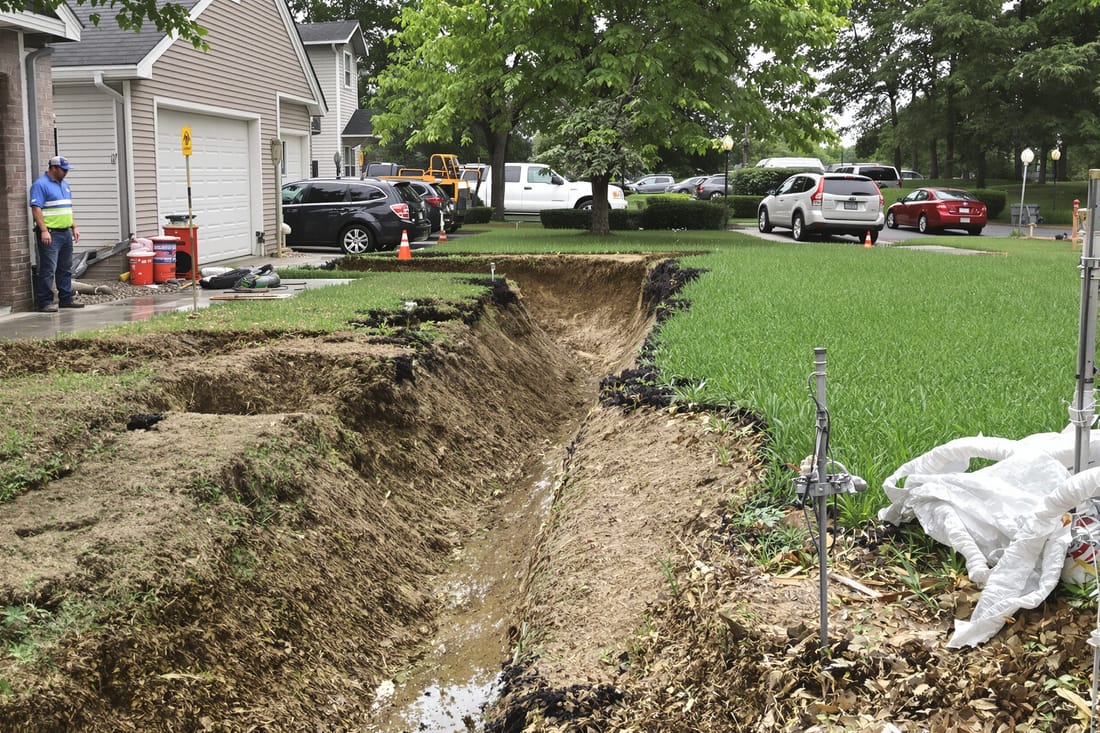
Pipeline and utility corridor hydroseeding is very different from hydroseeding a front yard. Long, narrow rights of way cut across mixed soils, wetlands, road crossings, and steep banks, and if they are not stabilized correctly they can fail in multiple spots. Legendary Hydroseeding Jacksonville focuses specifically on pipeline hydroseeding throughout the Jacksonville region, from clay cuts along I-95 to sandy utility easements running through pine flatwoods.
Our crews are set up to move quickly along miles of right of way, coordinate with your inspectors, and hit each soil condition with the correct seed, mulch, and tackifier blend. We design every pipeline hydroseeding project to control erosion, protect exposed pipe and appurtenances, satisfy permit conditions, and still allow future access for maintenance. If you manage gas, water, fiber, or electric transmission in North Florida, our goal is to give you a stable, vegetated corridor that passes inspection and stays in place through heavy rains and summer heat.
How Pipeline Hydroseeding Works Step by Step
The process starts with a corridor walkdown. We review your plans, stormwater pollution prevention plan (SWPPP), and any FDEP or water management district requirements. In the field we flag sensitive features like wetlands, marsh edges, maintained access roads, and valve sites so the hydroseeding plan supports, rather than interferes with, ongoing operations.
Next, we assess soil conditions. Many Jacksonville corridors move from compacted road fill to loose sugar sand and then to organic muck in just a few hundred feet. We test representative sections for pH and texture, then specify fertilizer or soil amendments only where they are truly needed. This keeps your costs down and reduces nutrient runoff risk into local creeks like Julington and Trout River.
Grading and preparation follow. We coordinate with your civil contractor to ensure slopes are no steeper than the permitted design, topsoil is placed where required, and any rock or construction debris is cleared so the slurry can contact soil. For highly erodible sections, we often have erosion control blankets or turf reinforcement mats installed before hydroseeding, then we hydromulch directly through the mat openings.
Finally, we apply the hydroseeding slurry from truck-mounted or trailer-mounted units. Technicians adjust nozzle size, pressure, and application rate to hit the specified pounds per acre of seed and mulch. On long straight pulls we can reach 300 to 400 feet from the road, and on inaccessible sections we may stage water or use smaller units to work off narrow access tracks without rutting the corridor.
Materials We Use on Utility Corridors in Jacksonville
For pipeline hydroseeding around Jacksonville, the material choices are shaped by our hot, wet climate and mixed soils. Typical rights of way receive a warm-season turf base, such as common or improved Bermuda, for durability and quick cover. In shaded or low-traffic sections near residential areas, we may blend in Bahia or a more fine-textured turf mix if your standards allow.
Because summer downpours can strip bare slopes in a single event, we often specify a bonded fiber matrix on critical pipeline cuts and road crossings. This product locks in place much better than basic paper mulch and is accepted by local inspectors as a high-performance erosion control. On flatter utility corridors that just need vegetation, a wood fiber or blended mulch at the correct rate is usually adequate.
We also tailor tackifiers and soil amendments to corridor segments. For example, along sandy utility routes west of Jacksonville, we may add higher organic content and water-holding polymers to help seedlings survive between storms. On clay embankments that already hold water, the focus shifts to pH adjustment and better surface structure so roots can penetrate instead of sitting in slick, compacted clay.
If your right of way crosses environmentally sensitive areas, we can provide seed blends with native or naturalized species that meet agency requirements while still allowing vehicle access for maintenance or emergency repairs.
Scheduling Around Jacksonville Weather and Permit Deadlines
Timing is critical for pipeline hydroseeding in North Florida. The best primary windows for seeding in the Jacksonville area are late February through early May and again late September through November. In these periods, soil temperatures support germination without the extreme stress of peak summer heat, and rainfall patterns usually give consistent moisture without as many intense thunderstorms.
We regularly work under tight in-service and restoration deadlines, so we plan staging and water access to move quickly once your grading is complete. For long corridors, we may break the job into mobilization zones so we can lock down the highest risk areas first, such as stream crossings or steep approaches to road bores, then finish the lower risk flat sections.
In summer, when construction schedules cannot wait, we adjust seed choice and mulch thickness and strongly recommend more robust erosion control products on slopes. We also coordinate with you on temporary irrigation where feasible, especially near compressor stations, tank farms, or high-visibility segments that must green up quickly for public relations or municipal requirements.
Our office tracks local rainfall and heat forecasts and keeps your team updated so that if a strong system is heading toward your project we can accelerate hydroseeding on vulnerable slopes or shift the schedule to avoid spraying immediately before a downpour.
What Drives Cost on Pipeline Hydroseeding Projects
For pipeline and utility corridors, price is driven much less by square footage alone and much more by logistics. The length of the right of way, the number of access points, and the distance from reliable water sources all impact the number of mobilizations and the time on site. A 10 acre project beside a paved road with hydrant access is very different from the same acreage over multiple off-road segments that require water hauling.
Material selection is the next major factor. Bonded fiber matrix, high-performance tackifiers, and premium erosion blankets cost more up front but may save you money by preventing washouts and rework, especially on steep North Florida sand cuts. Seed blends that include native species or special low-mow mixes also affect cost, particularly when specified by agencies or project owners.
Site preparation also matters. If your grading contractor leaves clean, evenly shaped slopes with proper topsoil placement, hydroseeding can proceed efficiently. If we have to work around ruts, piled spoil, or scattered debris, production slows and coverage may require additional passes. We are transparent about these factors during estimating and can provide value engineering options, such as limiting premium materials to the highest risk areas while using more economical mulch on flat segments.
We typically quote pipeline hydroseeding by acre with clear assumptions on access, water supply, and material type, then break out alternates so you can see the cost impact of upgrading coverage on critical areas.
Common Problems on Rights of Way and How We Address Them
Pipeline corridors around Jacksonville often face recurring problems: washouts on sandy side slopes, poor germination on compacted clay, rills forming on long runs, and vegetation conflicts with access roads or markers. Legendary Hydroseeding Jacksonville designs each hydroseeding plan to prevent these issues instead of just reacting afterward.
For sandy slopes that repeatedly wash, we increase mulch density, switch to a bonded fiber matrix where justified, and may recommend installing check structures or slope interruptions before seeding. On tight clays, we frequently call for light scarification or ripping, followed by organic amendments that improve soil structure so roots can take hold. Long continuous slopes get contour tracking or surface roughening so the slurry locks into micro pockets rather than sliding downslope.
Another common issue is incompatible vegetation around appurtenances such as valves, cathodic protection test stations, and signage. We can seed these areas with lower growing species or create defined non-vegetated pads with adjacent hydroseeded transitions. This allows clear visibility and safe access while still meeting your restoration and stormwater requirements.
Finally, we help you prepare for the first year of maintenance. We provide mowing height guidelines, traffic restriction recommendations during establishment, and advice on spot touch-ups if a particular section struggles after a heavy storm or unexpected construction traffic.
Why Work With Legendary Hydroseeding Jacksonville on Your Corridor
Pipeline hydroseeding projects run smoother when your seeding contractor understands both utility operations and environmental compliance. Our team has experience working alongside pipeline integrity crews, HDD contractors, and environmental inspectors, so we know how to stabilize the corridor without limiting your long-term access or creating conflicts with cathodic protection or marker visibility.
Legendary Hydroseeding Jacksonville uses equipment sized for North Florida rights of way, including units that can reach remote segments without damaging your restored ground. We maintain documentation on seed lot numbers, application rates, and material specifications so you have a complete record for your files or for agency review.
We are based in the Jacksonville area, which means we understand local soil patterns, rainfall intensity, and county-level preferences for restoration. Whether you are restoring a new transmission line, upgrading a water main, or repairing an older pipeline segment, we can evaluate your corridor, recommend practical hydroseeding options, and execute the work within your construction schedule.
To discuss a current or upcoming right of way, you can share your plans, permit requirements, and internal standards, and we will provide a detailed proposal that aligns with both your technical needs and your budget.