Home › Stormwater Management Facility Hydroseeding
We specialize in stormwater facility hydroseeding in Jacksonville, FL for detention basins, bio retention cells, and drainage channels. Our seed mixes and erosion control methods are tailored to fluctuating water levels and regulatory requirements. Ensure long term stability and performance of your stormwater infrastructure with professional hydroseeding.
Legendary Hydroseeding Jacksonville provides professional stormwater facility hydroseeding throughout Jacksonville, FL, Florida and the surrounding area. Our licensed, insured crew delivers safe, clean, on-time work with a free estimate before anything begins. Call 904-867-3706 or request your free quote.
Stormwater facility hydroseeding for Jacksonville’s real conditions
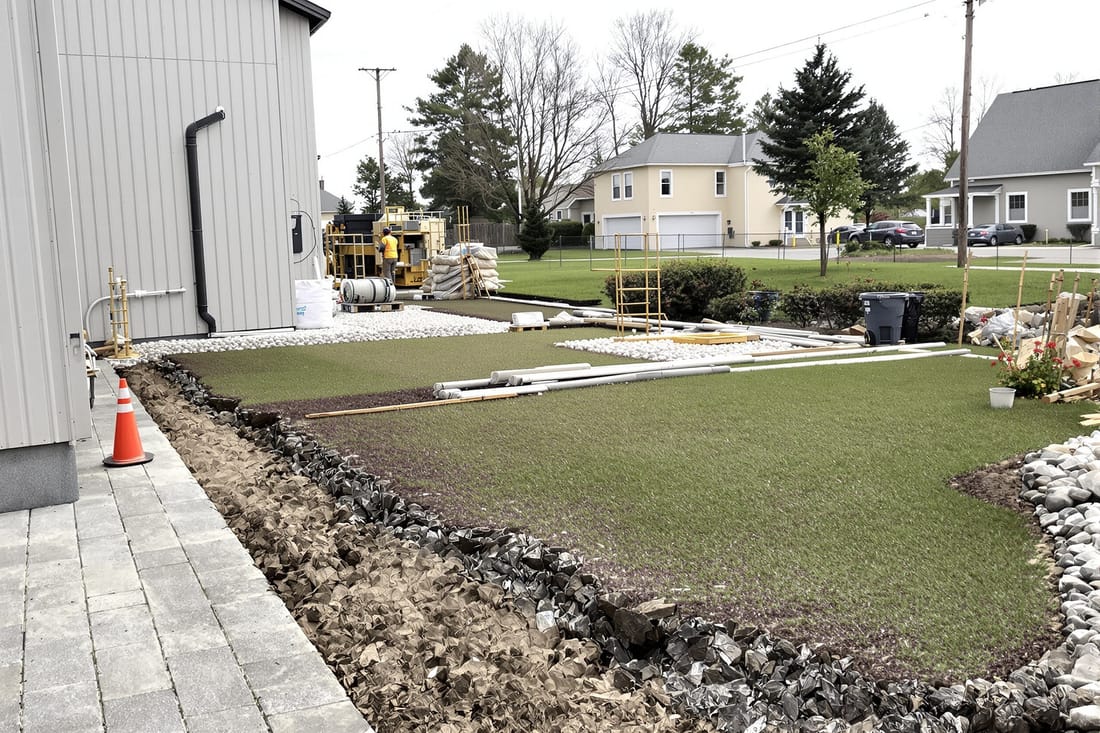
Stormwater ponds and basins in Jacksonville do not behave like ornamental lawns. They deal with heavy Gulf moisture, sudden downpours, and long hot spells that can strip bare soil in a single storm. Legendary Hydroseeding Jacksonville specializes in stormwater facility hydroseeding that is engineered for these exact conditions, so your pond banks, swales, and outfall areas stay stable and compliant over the long term.
Instead of just spraying a generic grass mix, we design a vegetative cover that fits the slope angles, soil type, and water fluctuation patterns on your site. For example, a dry detention basin at a warehouse in North Jacksonville needs a very different seed mix and mulch rate than a wet retention pond in Nocatee with fluctuating water levels and homeowner visibility concerns. Our stormwater facility hydroseeding work is focused on erosion control first, then maintenance practicality, then appearance.
Whether you manage a commercial center, HOA, multifamily property, industrial yard, or municipal project, we tailor our approach to the facility’s permit requirements and your maintenance budget. The result is a stable, vegetated stormwater system that passes inspections and holds up through Northeast Florida’s wet season and hurricane threats.
How stormwater facility hydroseeding actually works
Effective stormwater facility hydroseeding is more than spraying green slurry. We follow a structured process that keeps your pond banks and channels from washing out and helps you pass city or SJRWMD inspections.
1. Site evaluation and documentation
We walk the facility to check slopes, existing vegetation, signs of erosion, soil compaction, and water inlets and outlets. We photograph and mark problem areas like bare outfalls, rill erosion on side slopes, and low spots that hold water. We also review any civil drawings or stormwater reports you have so we understand design elevations and flow paths.
2. Surface preparation
We remove loose debris and trash, then scarify compacted soils where possible so roots can penetrate. On steep pond banks and side slopes, we may track the surface with equipment to create small ridges that reduce runoff velocity. If there is existing thin grass that can help stabilize, we leave it and hydroseed over the top to thicken coverage.
3. Seed mix selection
Based on how often the slope is wet, shaded, or submerged, we choose a blend that may include Bahia, Bermuda, Rye (for fast cover), and appropriate wet-tolerant species where needed. For permanent stormwater structures, we balance deep rooting, erosion resistance, and ease of mowing. We do not use a one-bag-fits-all mix, because a dry forebay shelf at the top of a pond behaves differently than a low, frequently saturated toe.
4. Hydromulch and tackifier application
We blend seed with mulch, fertilizer, water, and often a tackifier that helps the mulch lock to the soil surface. For stormwater facility hydroseeding in Jacksonville, we frequently increase mulch rates on steep slopes or near inlets where flow is strongest. This thicker blanket slows water, protects seed, and helps meet erosion control expectations during inspections.
5. Edge detail and critical points
We pay special attention to pipe outfalls, overflow structures, and banks directly above control structures. These are the first places to fail during a storm. We may double cover these spots or pair hydroseeding with erosion control blankets or riprap, depending on your engineer’s details and budget.
6. Post-install guidance
After application, we give you a clear watering and mowing schedule, along with what to watch for in the first 2 to 6 weeks. For many facilities, the most important success factor is not the seed, but controlling traffic, mowing heights, and irrigation timing while the stand establishes.
What makes stormwater hydroseeding different from regular lawn work
Hydroseeding a stormwater facility is not the same as hydroseeding a front yard. The slopes are steeper, there is more bare exposed soil, and water concentrates instead of spreading out. Legendary Hydroseeding Jacksonville treats these projects as erosion control installations, not just landscaping.
On pond banks and detention basins, we aim for deep root systems and strong ground coverage that can tolerate temporary inundation and drying cycles. That usually means less reliance on shallow, pretty turf varieties and more use of species that can take stress and lower maintenance. We also consider long term mowing safety, since contractors will be operating near water. Dense but not overly lush vegetation can reduce slip hazards compared to saturated, overfertilized turf.
We also adjust application rates. A neighborhood entrance lawn might get a standard mulch load, but a 3:1 or 2:1 slope on a stormwater embankment often needs heavier mulch and stronger tackifier so coverage does not sheet off during the first big thunderstorm. In some cases we stage the application, first locking down the top half of a slope that takes the brunt of runoff, then coming back for touch-ups lower on the bank after we see how the site behaves in real rain.
Another key difference is regulatory scrutiny. Stormwater ponds and facilities are part of your site’s approved civil design. Bare slopes, sediment in pipes, or ruts from maintenance access can trigger comments from city or water management district inspectors. Our stormwater facility hydroseeding work is done with that in mind, so you can show documented stabilization efforts and a clear establishment plan if questioned.
Local Jacksonville conditions that affect design and cost
Jacksonville’s climate and soils drive many of the decisions and costs involved in stormwater facility hydroseeding. Understanding these local factors helps you budget realistically and avoid surprise repairs.
Our region has intense, short-duration storms, summer downpours, and tropical systems that can hit shortly after a project finishes. To reduce the risk of washouts, we may recommend higher mulch rates, stronger tackifiers, or pairing hydroseeding with blankets in especially vulnerable spots. These upgrades cost more up front, but are usually cheaper than regrading and reseeding a damaged bank after a major rain.
Soil conditions also vary across Duval and nearby counties. Many sites have sandy, low-organic soils that drain fast and dry quickly between rains. This can limit germination if irrigation is not available. In other areas, especially near the river and marshes, clay pockets hold water and stay saturated. We adjust seed mixes and soil amendments accordingly so you do not pay for species that struggle in your specific soil profile.
Access is another local cost driver. Some older ponds and basins in established Jacksonville neighborhoods have limited or no formal access. Getting hydroseeding equipment and materials to the back of a property may require smaller rigs, more hose, or additional labor. When we quote stormwater facility hydroseeding, we account for these access challenges up front so you have a realistic project cost.
The time of year also matters. Spring and early fall are usually ideal for seeding here, but construction schedules do not always cooperate. If you need to stabilize a facility in the middle of hurricane season or a drought window, we may specify different temporary nurse grasses or adjusted fertilizer plans to compensate. This can slightly change pricing but greatly improves success rates.
Step by step: from bare stormwater pond to stabilized facility
When Legendary Hydroseeding Jacksonville takes on a stormwater pond, infiltration basin, or swale, we follow a repeatable process that limits surprises.
First, we confirm that grading is complete and the facility is shaped per plan, including embankment heights and side slopes. If we see obvious low spots that will collect water and stay bare, we flag them before installing any seed. Correcting those minor issues early helps avoid standing water that kills new grass.
Next, we plan logistics. That includes choosing the access point for equipment, determining hose runs, locating any underground utilities near slope tops, and coordinating with your site superintendent or property manager so cars, dumpsters, or materials are not blocking the route on the scheduled day.
On installation day, we make a final walk to check for new erosion, track marks, or damage from other trades. We then proceed with the hydroseeding application, working from the top of slopes down so the mulch has the best chance to adhere. We pay particular attention to transitions where gentle slopes become steeper, since water tends to speed up and cut at those breaks.
After application, we mark off critical areas if needed and leave you with a written care guide. For commercial and residential managers, we can also provide a simple map of the facility with notes for your mowing or landscape crew, such as recommended mower types near steep banks, first-mow timing, and areas where irrigation coverage is most important during establishment.
If you request it, we schedule a follow up visit to evaluate germination and coverage. If a heavy storm hits soon after installation and damages a small area, we can spot repair with additional stormwater facility hydroseeding or complementary erosion control methods before problems expand.
Common stormwater hydroseeding problems and how we address them
Stormwater facilities come with predictable issues. Our job is to anticipate and minimize them so you are not constantly chasing washouts.
Early washouts on steep slopes are one of the most common problems. To fight this, we may use higher mulch rates, tackifiers, or layered installations. In high risk areas like steep outfalls or spillways, we often recommend using hydroseeding in combination with erosion control blankets or rock, so vegetation establishes around and between more permanent hard armor.
Poor germination can come from several sources: compaction from construction equipment, lack of moisture, or seed that is not suited for constantly wet or dry microzones. Before redoing work, we look at soil condition and watering practices. Sometimes a simple change in irrigation or a light topdressing can correct the issue. If the seed mix is the problem, we adjust the species and reseed the affected zones.
Uneven coverage can arise if slopes are very tall, wind picks up during application, or access is limited. We plan hose runs and spray angles carefully so mulch and seed reach the full height of banks, not just the bottom third. If conditions on site change mid-job, such as unexpected wind or water levels, we can adjust technique or make a second, lighter pass to even out coverage.
Another frequent issue in Jacksonville is weed pressure, especially in disturbed sandy soils. While hydroseeding cannot completely prevent weed seeds from germinating, a dense, properly fertilized grass stand will typically outcompete many invaders. We can coordinate with your maintenance provider on appropriate timing for selective herbicides once the new grass is mature enough to tolerate them.
Finally, human activity is often overlooked. Ruts from maintenance vehicles, foot traffic cutting the same path, or contractors using the pond bank as a shortcut can break the vegetative cover and start erosion. As part of our stormwater facility hydroseeding service, we point out vulnerable access points and suggest simple measures like adjusting gates, fences, or signage to keep traffic where the slopes can handle it.
How to plan your project and work with Legendary Hydroseeding Jacksonville
If you are responsible for a stormwater pond, detention basin, or swale in Jacksonville, early planning can save time and money. Start by gathering any site plans, grading sheets, or stormwater permits you have. When you contact Legendary Hydroseeding Jacksonville, share whether your facility is new construction, a repair of a failing slope, or a compliance driven improvement after an inspection.
We will typically schedule a site visit before finalizing pricing. During that visit we assess slope steepness, soil, water levels, and access, then discuss any deadlines such as Certificate of Occupancy, HOA turnover, or city reinspection dates. This helps us recommend the right timing and specification for your stormwater facility hydroseeding, rather than a one size fits all package.
Cost will depend on total square footage, slope conditions, whether erosion control blankets or soil amendments are required, access difficulty, and time of year. We provide clear line items so you can see what portion of your investment is in materials, labor, and any additional stabilization measures. For multi-phase developments, we can also help you phase hydroseeding to match construction progress and cash flow.
Once you approve the plan, we coordinate scheduling to avoid conflicts with other contractors and weather patterns as much as possible. Our crews arrive with the right materials for your specified seed mix and mulch rates, and we communicate with you or your superintendent throughout the process.
To discuss stormwater facility hydroseeding for your Jacksonville property, reach out with your project details and we will help you design a stabilization approach that fits both regulatory requirements and long term maintenance realities.